ISO 9001 Audit: Checklist for Factories
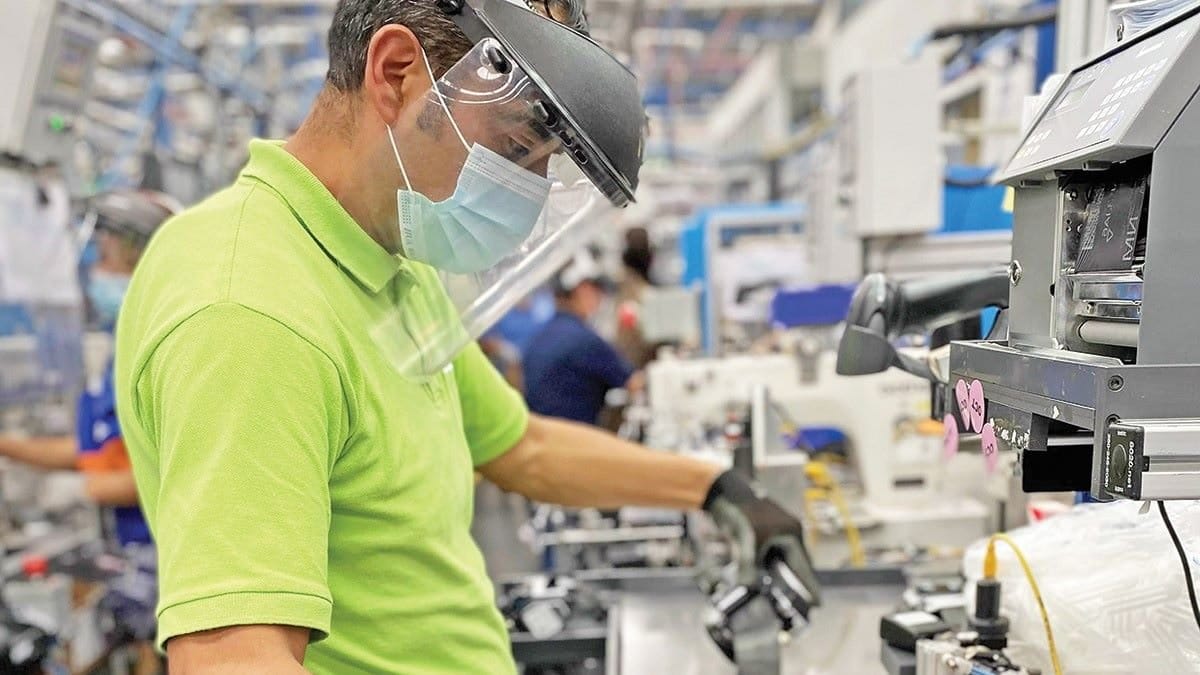
The ISO 9001 audit is one of the most important processes for any factory looking to prove the quality of its operations and meet international standards. This standard, focused on quality management systems, requires organizations to have clear evidence, full traceability and a continuous improvement approach. Passing an audit successfully doesn't just open the door to certifications — it also strengthens the trust of customers and business partners.
In this article we'll take a detailed look at what an ISO 9001 audit is, why it's essential for factories, what an effective checklist should include, the most common mistakes to avoid, and how digital tools like Solved make the process faster and easier.
What an ISO 9001 audit is
The ISO 9001 audit is a systematic process that checks whether an organization meets the requirements of the ISO 9001 standard. This international standard sets the criteria for a quality management system (QMS) and applies to any company, regardless of size or sector.
The purpose of the audit is to assess whether the company:
- Meets the requirements documented in ISO 9001.
- Consistently applies its quality management processes.
- Generates clear traceability and control evidence.
- Maintains a continuous improvement cycle.
For factories, this process is critical, since customers increasingly demand stronger guarantees of quality and regulatory compliance.

Why the ISO 9001 audit matters for factories
Adopting ISO 9001 is much more than getting a certificate to hang on the wall. The audit is the mechanism that proves the company genuinely manages quality in a structured way.
Its key benefits include:
- Customer and supplier trust: it certifies that processes are under control.
- Access to new markets: many tenders and contracts require ISO 9001 as a baseline requirement.
- Continuous improvement: the audit forces processes to be reviewed and refined.
- Regulatory compliance: it guarantees evidence for official inspections and audits.
- Operational efficiency: catching internal non-conformities helps save costs.
A successful ISO 9001 audit strengthens any factory's competitiveness.
Essential checklist for an ISO 9001 audit
Preparing a checklist is the best way to make sure the factory is ready to pass the audit. Below are the key points an ISO 9001 checklist should cover.
1. Quality management system documentation
- Up-to-date quality manual.
- Approved procedures and policies.
- Documented records for every process.
2. Management review
- Evidence of management review meetings.
- Tracking of quality objectives.
- Risk and opportunity assessment.
3. Process control
- Clear production procedures.
- Quality control records on the plant floor.
- Evidence of tracking critical parameters.
4. Staff competence and training
- Training plans.
- Records of training sessions completed.
- Technical competence assessments.
5. Supplier control
- List of approved suppliers.
- Evaluation and re-evaluation procedures.
- Evidence of raw-material inspections.
6. Product traceability
- Production batch records.
- Identification and labeling procedures.
- Ability to trace a product from start to finish.
7. Corrective and preventive actions
- Procedure for managing non-conformities.
- Records of corrective actions carried out.
- Effectiveness analysis of measures applied.
8. Customer satisfaction
- Satisfaction surveys.
- Records of complaints and how they were resolved.
- Loyalty and repeat-order indicators.
This checklist is the foundation for any ISO 9001 audit and should be tailored to each factory's specific reality.
Most common mistakes in an ISO 9001 audit
Many factories run into the same problems during the audit. The most frequent mistakes are:
- Incomplete records: missing data or lack of clear evidence.
- Outdated processes: obsolete procedures that don't reflect actual practice.
- Staff unfamiliarity: operators who can't explain basic processes.
- Lack of traceability: inability to trace a batch from raw material to end customer.
- Corrective actions without follow-up: measures applied without checking their effectiveness.
Avoiding these mistakes takes preparation, a quality culture, and a digital system that makes traceability easy.
How an ISO 9001 audit differs from other standards
While all international standards share a focus on continuous improvement, the ISO 9001 audit has its own distinct features compared with other audits:
- Versus ISO 14001, it focuses on quality, not the environment.
- Versus ISO 22000, its scope is cross-sector, applicable to any industry, not just food.
- Versus IFS and BRC, it's more flexible, but still demands robust evidence.
This makes ISO 9001 the foundation of any quality management system in factories.
How to digitize the ISO 9001 audit
For many companies, the biggest challenge isn't meeting the requirements — it's proving it quickly and effectively. This is where digitization makes the difference.
Specialized software makes it possible to have:
- Digital checklists that replace paper and Excel.
- Real-time evidence logging with photos and videos from a phone or tablet.
- Automatic dashboards showing the status of audits and non-conformities.
- Automatic assignment of corrective actions to owners.
- Integration with ERP, MES and CMMS, avoiding duplicate data entry.
Digitizing the audit cuts down on time, eliminates manual errors, and ensures full traceability.
How Solved makes the ISO 9001 audit easier
The Solved platform is designed to go beyond a simple checklist. Its features let any factory get ready to pass an ISO 9001 audit without complications:
- Customizable checklists tailored to the plant's processes and areas.
- Immediate logging of issues and findings with digital evidence.
- Real-time alerts for critical non-conformities.
- Dashboards that surface quality patterns and trends.
- A complete auditable history, ready to present to certification bodies.
With Solved, factories cut audit preparation time by up to 70%, eliminate duplicate records, and strengthen their quality culture.
Conclusion
Passing an ISO 9001 audit isn't just an obligation — it's an opportunity to improve processes, cut costs, and strengthen the trust of customers and suppliers. A structured checklist ensures the factory is ready, but the real key is digitizing management to gain efficiency and traceability.
With Solved, factories don't just meet the standard's requirements — they turn audits into an ongoing process of improvement and competitiveness.
Want to simplify your next ISO 9001 audit and cut preparation time by up to 70%? Request a Solved demo and discover how to digitize your quality system.